Lenders see bad credit. They don’t see your full story. It’s frustrating to watch home prices climb while you wait for a bank to approve your application, thinking a low score is the final verdict on your character. You want a backyard for the kids. You need a place to call your own. But the traditional path to homeownership often feels designed to keep people out. This is why rent to own homes in Fort Worth have become such a vital bridge for families ready for a home but needing time to fix their finances for strict banking standards.
Fort Worth offers a unique blend of Texas charm and modern economic opportunity. It’s a place where people want to plant roots. Our team understands that the leap from renting to owning is massive. We see it every day. A lease-to-own arrangement allows you to move into your dream house now while you work on the finishing touches of your mortgage readiness. It is a strategic move for the future. You are essentially test-driving the property and the neighborhood before you commit to a thirty-year debt.
Featured Rent To Own Houses in Fort Worth Texas
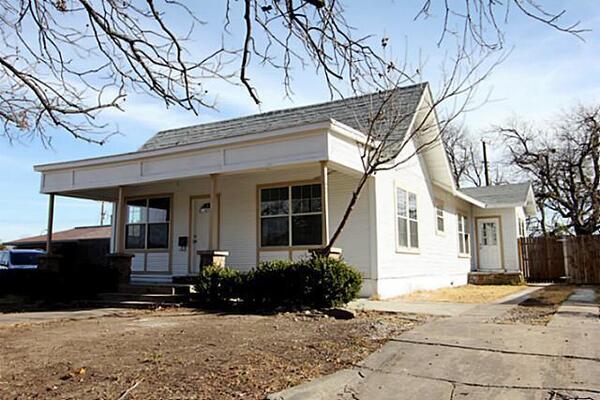
6th Ave
Fort Worth, TX 76110
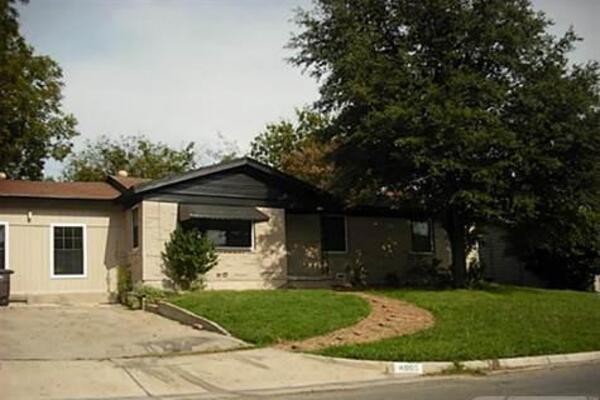
Stadium Dr
Fort Worth, TX 76133
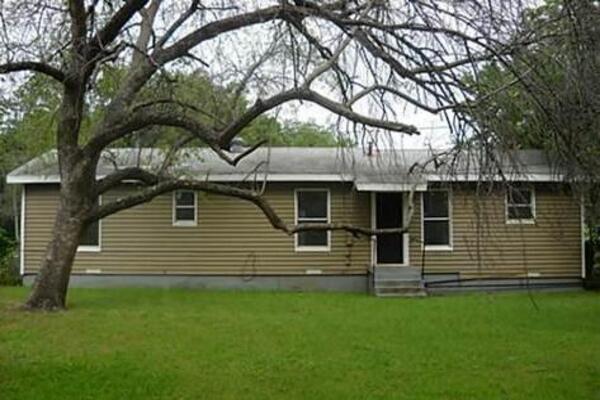
Janice Ln
Fort Worth, TX 76112
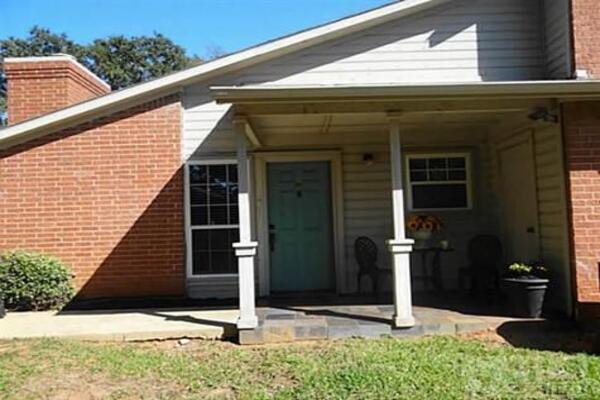
Meadowood Village Dr
Fort Worth, TX 76120
Woodway Dr
Fort Worth, TX 76133

McPherson Rd
Fort Worth, TX 76140
How Do Rent to Own Homes in Fort Worth Work
The rent to own process in Texas is structured to give the tenant a legal path toward full ownership over a set period. It starts with a contract that combines a standard rental agreement with an option to buy. You aren’t just a tenant. You are a buyer in waiting. In the Tarrant County market, these agreements are usually categorized as either a lease-option or a lease-purchase. The difference is subtle but critical for your legal protection.
A lease-option gives you the right to buy the home but does not legally force you to do so. It offers the ultimate flexibility. If the market shifts or your plans change, you can walk away. On the other hand, a lease-purchase agreement generally carries a legal obligation to buy at the end of the term. We find that most residents prefer the lease-option because it provides a safety net. You get to live in the home and ensure the plumbing works and the neighbors are friendly before the final sale.
Understanding the Option Fee and Monthly Rent Credits
Cash is required upfront. This initial payment is known as an option fee. It is typically a percentage of the purchase price, often ranging from 2% to 5%. This money is non-refundable. But it serves a very important purpose for the buyer. It secures your exclusive right to buy the property at a later date. This fee is almost always applied toward your eventual down payment when you exercise your option. It’s an investment in your future equity.
Monthly payments work differently than a standard lease. You pay rent, but a portion of that money is often credited back to you. Let’s say your monthly rent is $2,400. The agreement might state that $300 of that payment is a rent credit. Over two years, you would accumulate $7,200 in additional savings for your down payment. It’s a forced savings plan. You are building wealth while you sleep.
Navigating the Purchase Agreement Timeline
Time is your greatest asset. Most contracts for rent to own homes in Fort Worth last between one and three years. This window is designed to give you enough time to boost your credit score or save additional cash. You must be diligent during this period. If the contract ends and you cannot get a mortgage, you might lose your option fee. We always advise our clients to have a clear roadmap for their credit repair from day one.
The end of the term is the moment of truth. You will need to secure a traditional mortgage to pay the remaining balance to the seller. Because you have already been living in the home, the transition is often much smoother than a traditional move. There are no moving trucks required on closing day. You simply change your legal status from tenant to owner. It is a rewarding conclusion to a long-term plan.
What Are the Benefits of Renting to Own in Fort Worth?
Fort Worth is growing fast. The local economy is fueled by aerospace, defense, and a booming tech sector. This growth means that Fort Worth real estate market values are consistently trending upward. When you enter a lease-to-own agreement, you are choosing a path that offers stability in an uncertain world. It’s about taking control of your housing costs. You get the perks of a homeowner without the immediate pressure of a bank loan.
Flexibility is the hallmark of this model. Many families move to North Texas for jobs and aren’t sure which school district fits their needs. Renting to own allows you to settle in and evaluate the area. If you love the community, you stay. If you don’t, you haven’t committed to a permanent mortgage. It is a low-risk way to enter a high-reward market.
Locking in Property Prices in a Growing Market
Price protection is a massive win. When you sign your agreement, you and the seller usually agree on a purchase price today. If property values in Tarrant County jump by 10% over the next two years, that gain is yours. You are essentially capturing equity before you even own the deed. It is one of the few ways to beat inflation in the housing sector. You lock out other buyers who might try to outbid you later.
This strategy works best in neighborhoods showing steady appreciation. Fort Worth has several pockets where new developments are driving up prices. By freezing your price now, you ensure that you won’t be priced out of the market by the time you are mortgage-ready. It’s a smart financial play. Many of our clients find that their home is worth significantly more than their locked-in price by the time they close.
Improving Your Credit Score While Living in Your Future Home
Credit scores can be repaired. But it takes time and discipline. A rent-to-own arrangement provides the perfect environment for this transformation. You have a fixed address and a clear goal. Many programs even report your on-time rent payments to credit bureaus. This helps build your score every single month. It’s a productive way to spend your time.
You also get to avoid the “renter’s limbo” of moving every twelve months. Moving is expensive and stressful for families. By staying in one place, you can focus your energy on your finances. You can pay down debt and build a solid employment history. The home serves as the ultimate motivation to stay on track. It’s easier to save money when you can see exactly what you are saving for.
Who Qualifies for Fort Worth Rent to Own Programs?
Requirements are generally more inclusive than bank standards. However, you still need to demonstrate financial stability. Providers look for people who are serious about the how rent to own works in Fort Worth philosophy. They want to see that you have a reliable income stream. This protects both you and the seller. You need to be able to afford the monthly payments comfortably.
Most programs require a minimum household income. According to recent market data, a combined annual income of at least $50,000 is a common benchmark for entry-level homes in the area. Some higher-end properties will naturally require more. You will also need to provide documentation of your employment. Stability is the key factor here. They want to see that you’ve held your job for a reasonable amount of time.
Income and Debt-to-Income Ratio Requirements
Your debt matters. While these programs are flexible, they still look at your debt-to-income (DTI) ratio. This is the percentage of your gross monthly income that goes toward paying debts. A DTI below 45% is usually the target. If you have too many car loans or credit card balances, it might be harder to qualify. It’s a good idea to trim your expenses before applying.
Calculations are straightforward. If you earn $6,000 a month, your total debt payments should ideally stay under $2,700. This includes your future rent payment. Keeping this ratio in check proves you can handle the financial load of a home. It also makes it much easier to get that final mortgage down the road. We recommend a quick financial audit before you start your search.
Credit Score Flexibility for Potential Buyers
Don’t panic about your score. Traditional lenders often demand a 620 or higher for decent rates. Many rent-to-own programs in Tarrant County will work with scores as low as 540 or 580. They are more interested in your recent payment history than mistakes from five years ago. It’s a fresh start. They see your potential rather than just your past.
But there is a catch. You must show that you are actively working to improve that score. The goal of these programs is for you to eventually qualify for a bank loan. If your credit is low due to a recent bankruptcy or foreclosure, you might need to wait a year or two. Every situation is unique. It’s always worth a conversation with a program coordinator to see where you stand.
Where Should You Search for Properties in Fort Worth?
Location is everything in Texas. Fort Worth is massive, covering nearly 350 square miles of territory. You can find everything from historic bungalows to sleek new constructions. Inventory for owner financed homes in Tarrant County tends to cluster in areas with high growth and plenty of land. You want to look where the builders are active. Those areas often have the most flexible options.
Proximity to major highways like I-35W and Loop 820 is a big factor for many buyers. You want a commute that doesn’t eat up your entire evening. Fortunately, Fort Worth has done a great job of expanding its infrastructure. Many suburbs that used to feel far away are now very accessible. It’s about finding the right balance between price and convenience.
Top Neighborhoods for Affordable Residential Options
North Richland Hills is a fantastic starting point. It offers great schools and a very stable housing market. You can often find mid-sized family homes that fit the rent-to-own criteria perfectly. Saginaw is another hot spot for families. It has a small-town feel but is just minutes from the heart of the city. The inventory there is often newer and very well-maintained.
Benbrook offers a different vibe with its proximity to the lake and plenty of parks. It’s a bit more established, but Fort Worth lease option properties do pop up there frequently. If you are looking for more space, check out the Far North area near Alliance Town Center. There is a lot of new construction in that corridor. Builders and investors in these areas are often open to creative financing because the demand is so high.
How Can You Avoid Common Rent to Own Pitfalls?
Education is your best defense. While most deals are legitimate, you must do your homework to avoid headaches. You are making a significant financial commitment. Don’t rush into a contract just because you love the kitchen. You need to treat this like a business transaction. It’s the only way to protect your family’s future.
Transparency is key. If a seller is hesitant to show you paperwork or won’t allow an inspection, walk away. There are plenty of reputable rent to own homes in Fort Worth available. You don’t need to settle for a shady deal. Always trust your gut. If a deal seems too good to be true, it probably is.
Conducting Independent Inspections and Appraisals
Get an inspection. This is the most important advice we can give. You need to know if the roof is leaking or if the foundation is cracked before you sign. A professional inspector will find things you would never notice during a walkthrough. It costs a few hundred dollars. But it can save you tens of thousands in the long run.
An appraisal is equally important. You need to make sure the agreed-upon purchase price is fair. If the home is appraised for $300,000 and the seller wants $350,000, you are starting with negative equity. Most banks won’t lend you more than the home is worth later on. Knowing the true value now protects your investment. It gives you leverage in the negotiation.
Reviewing Contracts with a Real Estate Attorney
Lawyers are worth the money. Texas real estate law is complex and specific. An attorney can review your contract to ensure there are no “gotcha” clauses that could cost you your option fee. They will make sure the language clearly states how your rent credits are applied. It’s about peace of mind. You want to know that your path to ownership is legally sound.
They will also explain the difference between a lease-option and a lease-purchase in plain English. Understanding your obligations is vital. If you decide not to buy, you need to know exactly what happens to your money. A few hours of legal consultation can prevent a lifetime of regret. We always recommend having a pro in your corner.
Frequently Asked Questions About Fort Worth Rent To Own
Can I buy a rent-to-own home with bad credit?
Yes, many programs are specifically designed for buyers with low credit scores. The goal is to provide you with a period of one to three years to improve your score while living in the home. Most providers look for a minimum score between 540 and 580 to get started.
What happens to my option fee if I don’t buy the house?
In almost all cases, the option fee is non-refundable. If you choose not to exercise your right to purchase the home by the end of the lease term, the seller keeps that money. This is why it is critical to be certain about your ability to qualify for a mortgage eventually.
Who is responsible for repairs during the lease period?
This depends entirely on your specific contract. In many rent-to-own agreements, the tenant-buyer is responsible for minor repairs and maintenance to prepare them for the realities of homeownership. Major structural issues are usually still the responsibility of the current owner until the sale is finalized.
Is the purchase price of the home fixed?
Most contracts lock in a specific purchase price at the beginning of the lease. This protects you from price hikes in a rising market. However, some contracts use a “fair market value” clause which means the price will be determined by an appraisal at the time of purchase.
How much of my rent goes toward the down payment?
The amount of rent credit varies by agreement but typically ranges from $100 to $500 per month. This “rent premium” is added to your base rent and held in an account to be credited toward your closing costs or down payment. It is a great way to build equity over time.
Do I need a large down payment for a rent-to-own home?
You do not need a traditional 20% down payment upfront. Instead, you pay an option fee which is usually 2% to 5% of the home’s value. This fee is much lower than a standard down payment and allows you to move in much sooner than a traditional purchase would allow.